

Tool Steel Manufacturer & Supplier in India
We supply high-quality Tool Steel for dies, moulds, punches, cutting tools and precision engineering components. In addition, our range includes D2, D3, H11, H13, P20, OHNS and other Tool Steel grades for industrial use.
High-Performance Tool Steel for Industrial Applications
Tool Steel provides the hardness, strength and wear resistance required for demanding tooling applications. Therefore, manufacturers use suitable grades for dies, punches, moulds, cutters and precision tools.
We offer grades for cold-work, hot-work and mould-making applications. In addition, customers can select material according to temperature, wear, impact, machining and service requirements.
For example, D2 and D3 support many cold-work tooling applications. However, H11 and H13 suit many hot-work applications where heat and toughness become important.
P20 supports many plastic mould and mould-making requirements. Moreover, OHNS offers useful properties for precision tooling applications.
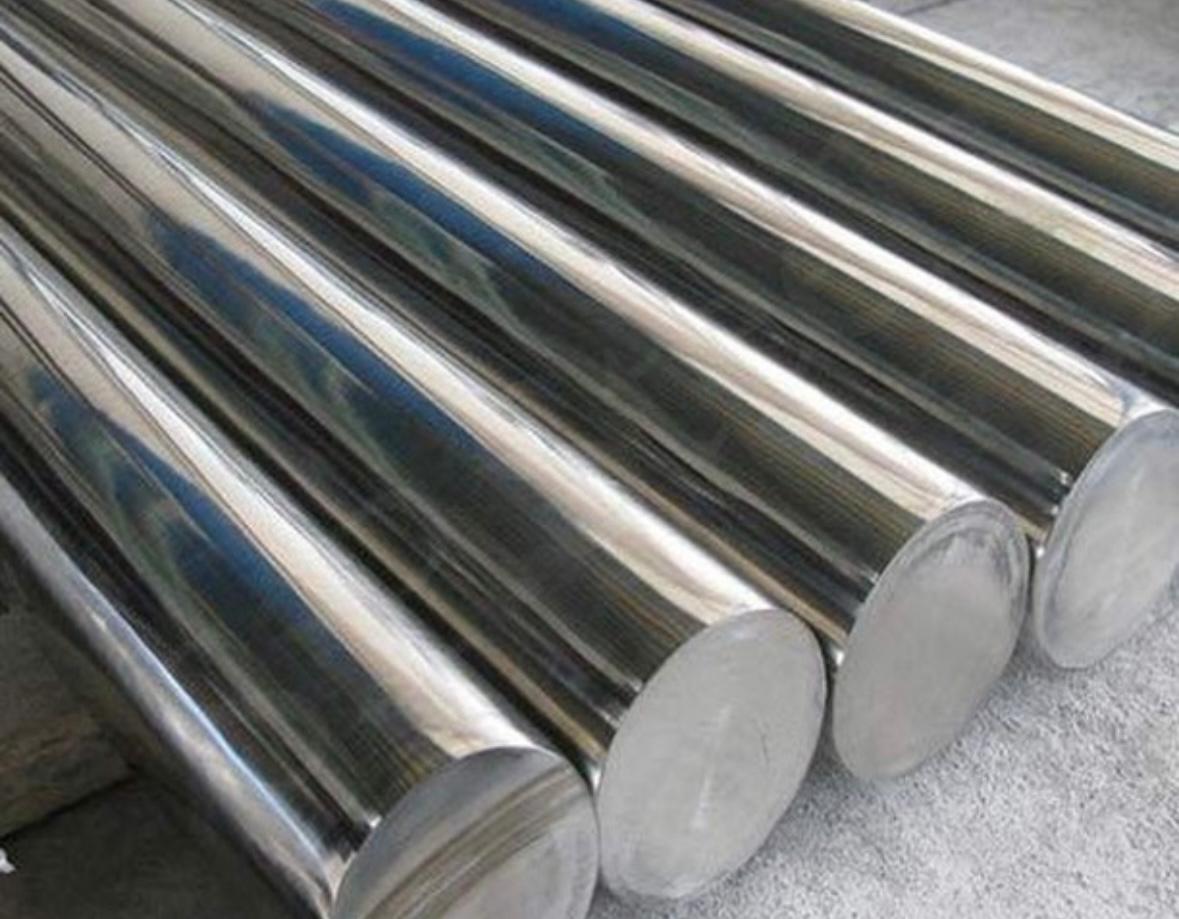
We supply Tool Steel in several forms and dimensions. As a result, tool rooms and engineering companies can order material according to their production needs.
- High hardness and strong wear resistance
- Cold-work, hot-work and mould steel grades
- Round bars, flat bars, plates and blocks
- Material options for precision tooling
- Custom-cut sizes for industrial requirements
Tool Steel Grades We Supply
Different tools operate under different working conditions. Therefore, we offer multiple Tool Steel grades for cold-work, hot-work and mould-making applications.
Grade selection depends on heat, wear, impact and machining needs. For example, a hot forging tool needs different properties from a cold-work cutting tool.
D2 Tool Steel
D2 offers high wear resistance and good dimensional stability. Therefore, manufacturers often choose it for demanding cold-work tooling.
Common Uses: Dies, punches, cutters, blanking tools and stamping toolsD3 Tool Steel
D3 provides high hardness and strong abrasion resistance. As a result, it suits tooling that faces continuous wear during production.
Common Uses: Drawing dies, press tools, forming dies and cutting toolsH11 Tool Steel
H11 combines toughness with resistance to elevated temperatures. Therefore, manufacturers use it for many hot-work tooling applications.
Common Uses: Hot punches, forging dies and extrusion toolingH13 Tool Steel
H13 offers toughness, heat resistance and resistance to thermal fatigue. Moreover, these properties support several demanding hot-work applications.
Common Uses: Forging dies, extrusion dies and die-casting toolsP20 Tool Steel
P20 provides good machinability for mould-making applications. For this reason, manufacturers commonly choose it for plastic moulds and related tooling.
Common Uses: Plastic moulds, injection moulds, mould bases and die holdersOHNS Tool Steel
OHNS combines useful wear resistance with dimensional stability. Therefore, tool makers often select it for precision tooling applications.
Common Uses: Gauges, punches, dies, cutters and precision toolsO1 Tool Steel
O1 belongs to the oil-hardening cold-work Tool Steel group. In addition, it provides useful wear resistance for general tooling work.
Common Uses: Knives, gauges, cutters and precision toolsS7 Tool Steel
S7 belongs to the shock-resistant Tool Steel group. As a result, manufacturers select it for tooling that experiences impact.
Common Uses: Punches, chisels, forming tools and impact toolingHigh-Speed Tool Steel
High-Speed Tool Steel supports demanding cutting operations. For example, suitable grades serve drills, cutters, taps and reamers.
Common Uses: Drills, cutters, reamers, taps and machining toolsTool Steel Supply Range
Tool Steel Grade Comparison
Each Tool Steel grade offers a different balance of useful properties. Therefore, buyers should compare wear resistance, toughness, heat resistance and machinability.
Cold-work grades focus strongly on wear resistance and hardness. However, hot-work grades must also handle heat and repeated thermal cycles.
| Grade | Tool Steel Type | Key Characteristics | Typical Applications |
|---|---|---|---|
| D2 | Cold Work | High wear resistance and good dimensional stability | Dies, punches, blanking tools and stamping tools |
| D3 | Cold Work | High hardness and strong abrasion resistance | Drawing dies, press tools and cutting tools |
| H11 | Hot Work | Good toughness with heat and shock resistance | Hot punches, forging dies and extrusion tooling |
| H13 | Hot Work | Heat resistance, toughness and thermal fatigue resistance | Die-casting dies, extrusion dies and forging tools |
| P20 | Mould Steel | Good machinability for mould-making applications | Plastic moulds, injection moulds and mould bases |
| OHNS | Cold Work | Wear resistance and dimensional stability | Gauges, punches, dies and precision tools |
| O1 | Cold Work | Useful wear resistance for general tooling | Knives, gauges, cutters and tooling |
| S7 | Shock Resistant | High toughness and resistance to impact | Punches, chisels and impact tooling |
Applications of Tool Steel
Tool Steel supports many manufacturing and engineering processes. Therefore, manufacturers select grades according to wear, heat, impact and production requirements.
Different applications demand different material properties. For example, forging tools face different conditions from moulds or cold-work cutting tools.
How to Choose the Right Tool Steel
The right Tool Steel depends on the working conditions of the final tool. Therefore, buyers should review temperature, wear, impact and machining needs.
Final hardness and heat treatment can also influence tool performance. In addition, complete application details can help narrow the available options.
1. Working Temperature
First, determine the operating temperature of the tool. For example, cold-work and hot-work applications normally need different properties.
2. Wear Resistance
Next, consider the expected level of friction and abrasion. Therefore, high-wear applications may need stronger wear resistance.
3. Toughness & Impact
Some tools experience repeated shock during production. As a result, buyers should balance hardness with suitable toughness.
4. Heat Treatment
Heat treatment affects the final properties of Tool Steel. Therefore, buyers should consider required hardness and service conditions.
5. Machining Requirements
Machining requirements can influence material selection. In addition, the supplied condition may affect further processing.
6. Required Size
Finally, confirm the required dimensions and machining allowance. As a result, custom-cut material may help reduce unnecessary machining.
Why Choose Us for Tool Steel?
Tool Steel purchasing involves grade, size, quantity and material condition. Therefore, we encourage customers to share complete specifications before ordering.
Clear specifications make material selection easier. In addition, they help our team check suitable available options.
Multiple Grades
We offer several Tool Steel grades for different industrial requirements. Therefore, customers can discuss their grade needs with our team.
Multiple Forms
We offer round bars, flats, plates and blocks. In addition, available forms depend on the selected grade.
Custom Sizes
Customers can request custom dimensions for specific tooling requirements. As a result, cut sizes may reduce further machining work.
Pan-India Supply
We serve manufacturers and engineering companies across India. Moreover, industrial buyers can contact us with project-specific requirements.
Looking for Tool Steel in India?
Send us your required Tool Steel grade, size, quantity and material condition. Then, our team can check suitable material options for your requirement.
We offer D2, D3, H11, H13, P20, OHNS and other Tool Steel grades. Therefore, contact us with your specifications to request a quotation.
Request a Quote